
Elma Saiz viaja a Mauritania para reforzar los programas de migración circular, que en 2023 beneficiaron a empresas y 17.200 trabajadores
28/08/2024
Migración circular
Elma Saiz viaja a Mauritania para reforzar los programas de migración circular, que en 2023 beneficiaron a empresas y 17.200 trabajadores
Topics:
- La migración circular es una fórmula pionera y un ejemplo paradigmático de migración regular, ordenada y segura que ofrece una “triple ganancia”: para el trabajador, el tejido empresarial del país receptor y para el país de origen como herramienta de cooperación
- En 2024, hasta la fecha, las cifras que se manejan son de 20.515 trabajadores
- Elma Saiz: “Son un extraordinario ejemplo de nuestra política migratoria: procuramos mano de obra que necesitamos en sectores de difícil cobertura, protegemos los derechos de los trabajadores, y, además, facilitamos el retorno de estas personas a sus países de origen, con los beneficios que pueda acarrear en el desarrollo de sus comunidades”
Share on social networks:
La ministra de Inclusión, Seguridad Social y Migraciones, Elma Saiz, ha recordado “la importancia de reforzar la relación con países amigos como Mauritania, con quien nos unen profundos lazos históricos de amistad, vecindad y cooperación”.
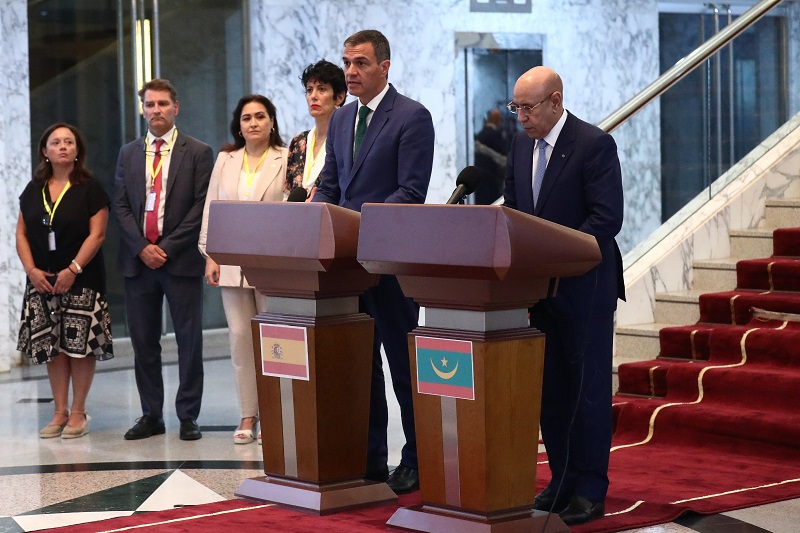
Así lo ha manifestado tras su visita a Mauritania como parte del viaje por África en el que acompaña al presidente del Gobierno de España, Pedro Sánchez, y en el que se ha formalizado la firma de un Memorando de Entendimiento en materia de Migración Circular que va a propiciar el desarrollo de programas de selección de trabajadores en origen.
Después visitarán Senegal y Gambia, con quienes también firmarán un memorando para impulsar la migración circular y la contratación desde los países de origen de los trabajadores.
Qué es la migración circular
La migración circular es una herramienta más disponible para sectores con dificultades de cobertura de vacantes. Otras herramientas son la normativa de migración cualificada a través de la Unidad de Grandes Empresas o las formas disponibles de contratación para personas que ya se encuentren en España, como el arraigo para la formación.
La circular es, asimismo, un ejemplo paradigmático de migración regular, ordenada y segura que ofrece una “triple ganancia”: permite a las personas encontrar oportunidades en el extranjero sin romper los vínculos con su país en origen; favorece que empresas encuentren los perfiles cualificados que requieren; y es, a nivel bilateral, una herramienta de cooperación y relación entre países a nivel internacional.
Según la Ley Orgánica, el Ministerio de Inclusión puede aprobar, de acuerdo con la situación nacional de empleo, una previsión anual de las ocupaciones y, en su caso, de las cifras previstas de empleos que se puedan cubrir a través de esa vía de gestión colectiva de contrataciones en origen en un período determinado, a los que sólo tendrán acceso aquellos trabajadores extranjeros que no residan en España. Este año, la Orden del Ministerio de Inclusión, Seguridad Social y Migraciones por la que se regula la gestión colectiva de contrataciones en origen (GECCO) para 2024 se publicó en el BOE de 20 de diciembre.
Esta contratación podrá realizarse para cubrir puestos de naturaleza estacional, de temporada o campaña, a través de migración circular.
Gracias a la reforma del reglamento de extranjería, los procedimientos de la migración circular se han simplificado enormemente. Otorgan a las personas, a través de un contrato fijo discontinuo, una autorización de cuatro años de duración, que habilita a trabajar un máximo de 9 meses al año. Esto permite que puedan venir todos los años a trabajar, y retornen tras ese periodo con las garantías establecidas en su contrato de que serán convocados en la siguiente estación o temporada. Antes de la reforma, estos proyectos tenían que tramitarse año a año, y ahora mismo se hace una vez cada cuatro, reduciendo de manera muy relevante todas las cargas administrativas para empresas y para las personas que migran.
La Dirección General de Gestión Migratoria del Ministerio es la encargada de ponerse en contacto con la Embajada de España en el país en cuestión, quien pone en conocimiento de las autoridades locales las ofertas de empleo. Si el país considera que puede satisfacer esa demanda, pone en marcha el proceso de selección de trabajadores.
Cifras y resultados
España trabaja con programas de migración circular desde el 2000, año en que se recoge normativamente en la Ley Orgánica 4/2000, de 11 de enero, sobre derechos y libertades de los extranjeros en España y su integración social.
Sin embargo, el conjunto de países de origen con los que se desarrollan estos programas ha ido ampliándose.
En los últimos años, sobre todo tras la reforma del reglamento de extranjería de 2022, se modificaron las cuestiones relativas a la determinación de la situación nacional de empleo, las figuras de arraigo (arraigo para la formación), y se adapta el reglamento en lo que impactaba la reforma laboral, esta fórmula se ha consolidado. En la actualidad es una herramienta para cubrir las demandas del mercado laboral español, pero también para la cooperación con los países de origen, ya que en muchos casos incluye la formación de los trabajadores y el consiguiente beneficio para sus comunidades cuando regresan.
Desarrollo de los programas desde la reforma del reglamento en 2022
Las ofertas de empleo se orientan a los países con los que España tiene suscritos acuerdos sobre regulación y ordenación de flujos migratorios. En 2022, se firmaron convenios con países como Marruecos, Colombia, Honduras y Ecuador, y vinieron 19.100 trabajadores a España. Posteriormente, en 2023, se amplió a otros tres países (Senegal, Argentina y Uruguay) y se beneficiaron unas 17.200 personas.
En 2024 ya son Colombia, Ecuador, Honduras, Perú, Guatemala, Uruguay, Argentina, Marruecos, Mauritania, Senegal y Gambia. También hay Estados con los que mantenemos instrumentos de colaboración en esta materia: Guinea, Guinea Bissau, Cabo Verde, Mali, Níger, México, El Salvador, Filipinas y Paraguay.
En 2024, hasta la fecha, las cifras que se manejan son de 20.515 trabajadores.
La ministra Saiz ha expresado el compromiso de España de avanzar en vías seguras de migración a la vez que se persigue a las mafias y lo delitos de trata de seres humanos. “Los programas de migración circular son una ganancia para todas las partes implicadas. Son un extraordinario ejemplo de nuestra política migratoria: procuramos la mano de obra que necesitamos en sectores de difícil cobertura, protegemos los derechos de los trabajadores, y, además, facilitamos el retorno de estas personas a sus países de origen, con los beneficios que pueda acarrear en el desarrollo de sus comunidades”.
Ejemplos de éxito y otros programas que favorecen la empleabilidad
Un ejemplo de programa de migración regular es Wafira, destinado a mujeres marroquíes empleadas en la recogida de frutos rojos en Huelva y que incluye formación en emprendimiento del que se han beneficiado ya 173 mujeres.
El proyecto 'Wafira' comenzó en octubre de 2021 y se extenderá hasta febrero de 2025. Tiene un coste total de 3,25 millones de euros, cofinanciados por la Unión Europea a través del mecanismo Migration Partnership Facility (MPF). El diseño, implementación y monitorización periódica del proyecto corresponde a los gobiernos de España y Marruecos, que fortalecen así las relaciones entre ambos países sobre la base de la colaboración en materia de migración regular.
Una vez finalizado el programa, las trabajadoras participantes regresan a su país, donde reciben asistencia tanto de la Organización Internacional del Trabajo (OIT) como de las instituciones marroquíes para la puesta en marcha de los negocios en sectores como comercio, restauración, explotaciones agrarias y ganaderas, entre otros.
Según diversos estudios de la ONU, Comisión Europea, el FMI, la Airef o el Banco de España, nuestro país necesita del orden de 300.000 trabajadores migrantes al año para sostener el estado del bienestar. La migración circular, junto a otros programas como el Plan Nacional de Reasentamiento de refugiados, que facilita empleo a personas refugiadas, forman parte de la estrategia migratoria del Gobierno de España que pone en el centro los derechos humanos, las vías regulares de migración, la empleabilidad y la inclusión de las personas.
La reforma integral del Reglamento de Extranjería, que se presentó a principios de agosto y que se encuentra en trámites de audiencia pública supondrá un impulso para la simplificación de estas vías de cooperación y relaciones laborales. Por ejemplo, en el nuevo reglamento, se da estabilidad a la normativa para mejorar las contrataciones colectivas en los países de origen por parte de los empresarios. Esta mejora pretende ayudar a favorecer las vías legales y ordenadas de migración legal y los buenos procesos de selección en origen.