
Más de 70.000 personas se han beneficiado de los itinerarios de inclusión vinculados al Ingreso Mínimo Vital
01/12/2023
Inclusión
Más de 70.000 personas se han beneficiado de los itinerarios de inclusión vinculados al Ingreso Mínimo Vital
Topics:
- Ha terminado el plazo de ejecución de los 34 proyectos piloto de inclusión financiados con los fondos Next Generation.
- La población juvenil y las familias monomarentales, entre los principales beneficiarios.
- Los proyectos han abordado desde la capacitación digital, al acceso al empleo, refuerzo educativo, salud mental o pobreza energética, entre otros.
- La ministra de Inclusión, Elma Saiz, considera que “garantizar a las personas vulnerables una cobertura de renta mínima es imprescindible pero no es suficiente, las personas necesitan acompañamiento en el proceso de inclusión”
Share on social networks:
Más de 70.000 personas vulnerables se han beneficiado de los 34 proyectos piloto de inclusión que el Ministerio de Inclusión, Seguridad Social y Migraciones impulsó durante la pasada legislatura vinculados a beneficiarios del Ingreso Mínimo Vital, así como a perceptores de rentas mínimas.
La ejecución de estos proyectos, financiados con cargo a los fondos Next Generation de la Unión Europea en el marco del Plan de Recuperación, Transformación y Resiliencia, finalizó ayer, último día de noviembre.
Estos itinerarios se han desplegado en todo el territorio, a través de comunidades autónomas, ayuntamientos y entidades del tercer sector. Además, se han atendido la mayor parte de las dimensiones sociales que afectan a la inclusión, como, por ejemplo, medidas encaminadas a la capacitación digital, acceso al empleo, refuerzo educativo, reducción del absentismo y fracaso escolar, salud mental o pobreza energética, entre otras. La población juvenil e infantil y las familias monoparentales, lideradas en su mayoría por mujeres, han sido los principales beneficiarios. Se ha trabajado con colectivos de diferentes ámbitos, como personas con discapacidad, población gitana o personas en situación de sinhogarismo.
En palabras de la ministra de Inclusión, Seguridad Social y Migraciones, Elma Saiz, “garantizar a las personas vulnerables una cobertura de renta mínima es imprescindible pero no es suficiente. Las personas necesitan acompañamiento en el proceso de inclusión, como hemos visto a través de la puesta en marcha de estos proyectos y, en la mayoría de las ocasiones, actuaciones múltiples que atiendan las diferentes carencias que coinciden en cada historia de vida, ya sean vinculadas a la vivienda, a la salud, a la falta de capacitación o a la autoestima”.
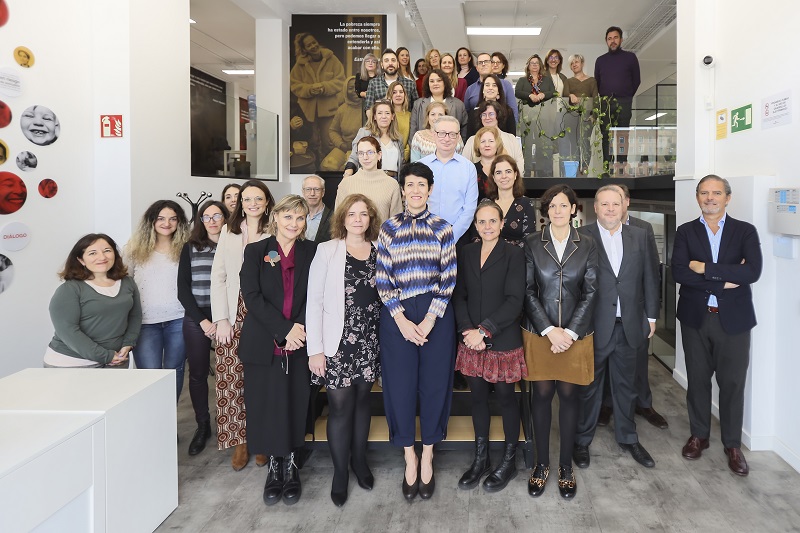
La ministra tuvo la oportunidad ayer de visitar a los equipos que han puesto en marcha los itinerarios en la Secretaría General de Inclusión, a quienes dedicó unas palabras de agradecimiento por la implicación y el éxito del programa.
Estos proyectos piloto se han desarrollado con metodologías de investigación pioneras en nuestro país en el ámbito de las políticas sociales. De hecho, la puesta en marcha del laboratorio ha sido reconocida a nivel internacional. Precisamente esta semana se ha celebrado en Madrid el encuentro Peer Review de Metodología Experimental para la Evaluación de Impacto en las políticas sociales, en el que han participado diferentes estados miembros e instituciones académicas de reconocido prestigio como CEMFI o JPAL.
Una vez concluido el periodo de ejecución de los proyectos, se inicia la fase de evaluación que concluirá en el primer trimestre de 2024 con la presentación a la Comisión Europea de, al menos, 18 buenas prácticas. Las evidencias que se obtengan serán decisivas para determinar la eficacia y viabilidad de las medidas implementadas, así como para poder orientar la toma de decisiones que se tomen a futuro en torno a las políticas públicas que persiguen la lucha contra la desigualdad y la erradicación de las situaciones de pobreza y exclusión social.