
La secretaria general de Inclusión visita en Málaga el proyecto de comprensión lectora para menores de familias vulnerables
22/03/2023
Inclusión
La secretaria general de Inclusión visita en Málaga el proyecto de comprensión lectora para menores de familias vulnerables
Topics:
- El Ministerio de Inclusión dedica cuatro millones de euros para innovación educativa en Andalucía
- El proyecto que lleva a cabo Fundación Lara beneficiará a 3.900 alumnos y familiares
Share on social networks:
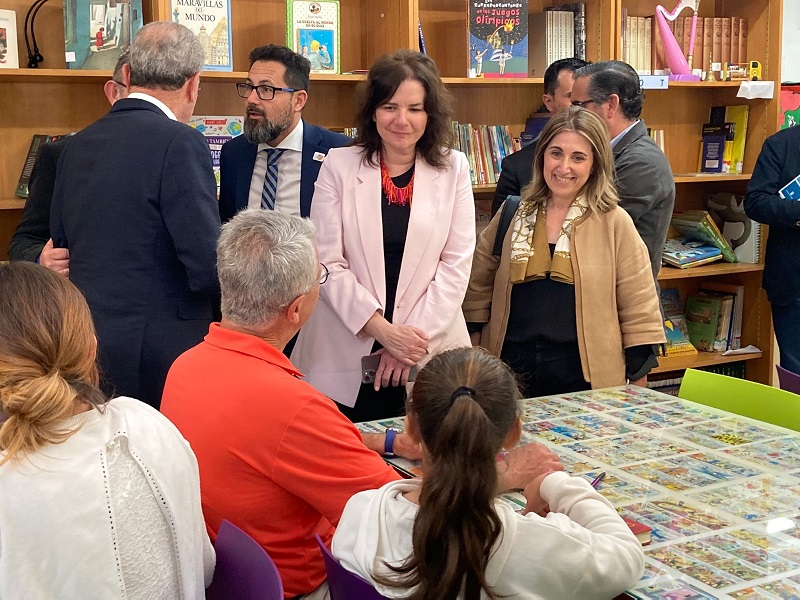
La secretaria general de Objetivos y Políticas de Inclusión y Previsión Social, Milagros Paniagua, ha visitado en Málaga el itinerario de inclusión social objeto del convenio suscrito entre el Ministerio de Inclusión, Seguridad Social y Migraciones y la Fundació Jaume Bofill para beneficiarios del Ingreso Mínimo Vital y personas vulnerables, dirigido al alumnado de Primaria y Secundaria Obligatoria.
Las actuaciones en Andalucía se llevan a cabo a través de la Fundación José Manuel Lara, una organización con amplia trayectoria en el ámbito educativo que, en esta ocasión, trabaja la comprensión lectora del alumnado (en el marco del proyecto Lecxit) y las habilidades socioemocionales dentro del aula (proyecto Pentabilities).
En el primero de los escenarios, se ha comprobado que los niveles bajos en competencia lectora contribuyen al abandono y fracaso escolar. Lecxit es un programa de mentoría lectora, en el que una persona voluntaria acompañará individualmente a los alumnos una hora a la semana. Por su parte, el proyecto Pentabilities, aborda la mejora de las habilidades socioemocionales del alumnado, con el objetivo de mejorar las ratios de absentismo y los resultados académicos.
En ambos proyectos, el Ministerio ha comprometido un presupuesto de cuatro millones de euros con los que atenderá a más de 3.900 personas, alumnos y familiares, de Andalucía, Ceuta y Melilla.
Estos proyectos innovadores tratan de extraer evidencias que permitan la mejora de los resultados académicos de los menores pertenecientes a colectivos vulnerables, así como al alumnado general. “La inyección de recursos económicos a familias con bajos ingresos ayuda a mejorar los resultados escolares de sus hijos, siempre que los programas de transferencia de rentas se acompañen de programas de apoyo socioeducativo”, ha señalado Paniagua.
Este proyecto forma parte de los 34 itinerarios de inclusión sociolaboral para beneficiarios del IMV y de las rentas mínimas autonómicas que el Ministerio de Inclusión ha firmado con diferentes comunidades y ciudades autónomas, entidades locales y entidades del tercer sector de acción social, en el marco del Plan de Recuperación, Transformación y Resiliencia.