
El Ingreso Mínimo Vital protege a 2,6 millones de personas de las que más de un millón son menores
08/05/2026
Inclusión
El Ingreso Mínimo Vital protege a 2,6 millones de personas de las que más de un millón son menores
Topics:
- Alcanza ya a 846.454 hogares, en los que residen 1.052.837 menores, que suponen el 41% del total de personas beneficiarias
- Siete de cada diez hogares con prestación tienen menores y 142.000 son monoparentales
- El Complemento de Ayuda para la Infancia llega a más de 586.000 hogares y amplía la cobertura a rentas bajas y moderadas
- Desde su puesta en marcha, más de 3,6 millones de personas han estado protegidas por el IMV
- Elma Saiz: “El Ingreso Mínimo Vital no es solo una red de seguridad, es también inversión social, ya que proteger a la infancia hoy es garantizar oportunidades mañana”
Share on social networks:
La nómina del Ingreso Mínimo Vital (IMV) ha llegado en abril a 846.454 hogares, en 581.054 de los cuales conviven menores. La prestación protege a 2.583.014 personas, según la última estadística publicada por el Instituto Nacional de la Seguridad Social (INSS).
La cuantía media de la prestación es de 540,6 euros mensuales por hogar y, en conjunto, la nómina de este mes ha ascendido a 497,2 millones de euros.
En abril de 2026, había 126.911 prestaciones activas más que hace un año, al haber aumentado el número de hogares protegidos en casi un 17,7%., un porcentaje similar al incremento del número de beneficiarios, que ha sumado un 17,7% (388.428) desde el mismo mes del año anterior.
Tanto por el perfil de los titulares como de los beneficiarios, podemos decir que el IMV tiene un marcado perfil femenino. En abril, el 68% de los titulares (575.589) y el 53,4% de los beneficiarios (1.379.839) son mujeres.
En sus casi seis años de vigencia, el IMV ha protegido a más de 3,6 millones de personas (3.609.511), adaptándose progresivamente a la realidad de los hogares y mejorando su capacidad de respuesta ante situaciones de vulnerabilidad.
Inversión social en la infancia
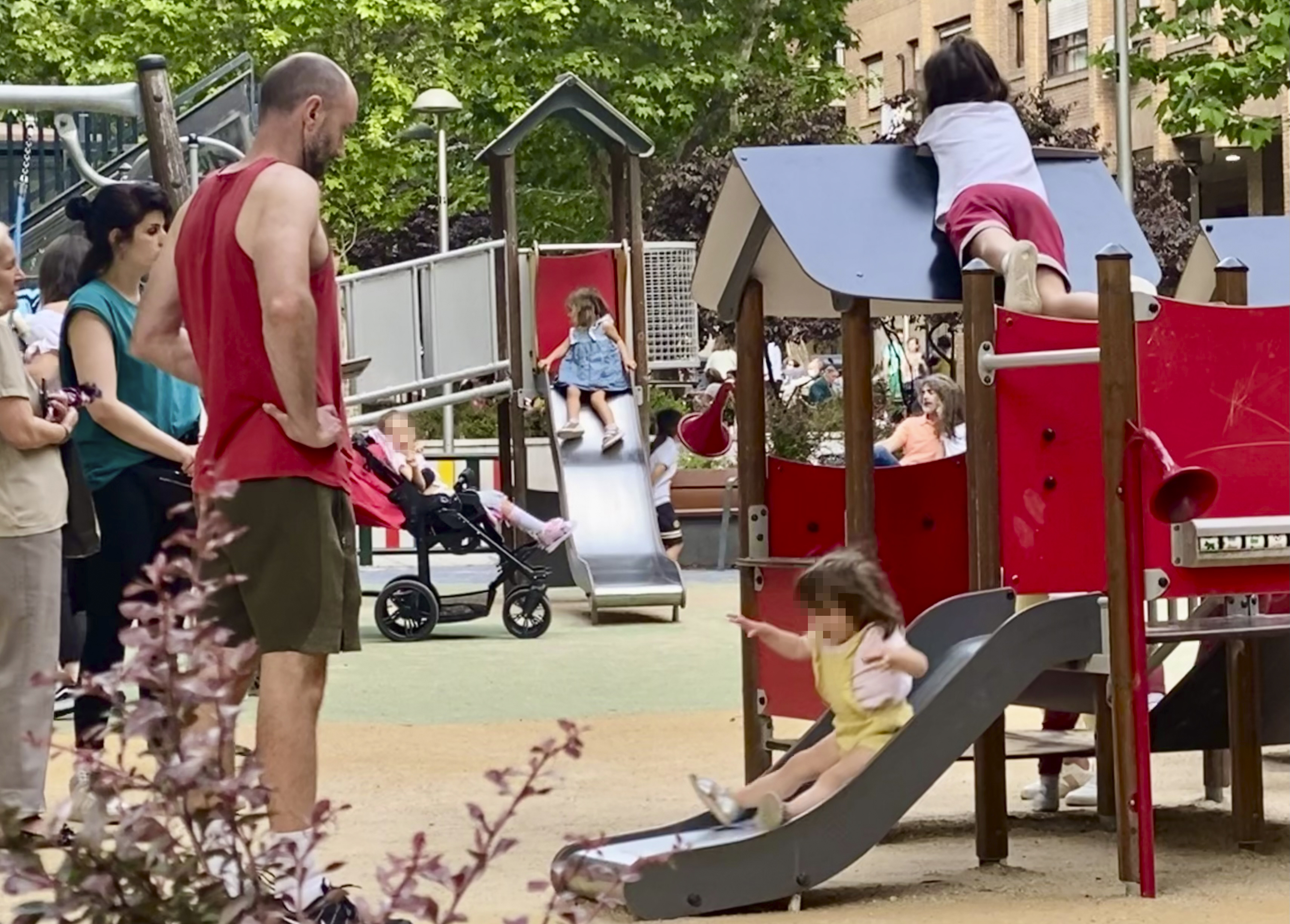
El IMV se ha consolidado como un modelo en el que la protección de la infancia ocupa un lugar central. En la actualidad, 1.052.837 niños, niñas y adolescentes son beneficiarios de la prestación, lo que representa el 41% del total. En términos acumulados, más de 1,6 millones de menores han estado cubiertos desde 2020 por la prestación.
Más de dos tercios de las familias que perciben el IMV cuentan con menores a cargo (570.548 hogares, casi el 70% del total), lo que evidencia su impacto directo en la reducción de la pobreza infantil.
“El Ingreso Mínimo Vital no es solo una red de seguridad, es también inversión social, ya que proteger a la infancia hoy es garantizar oportunidades mañana”, subraya Elma Saiz, ministra de Inclusión, Seguridad Social y Migraciones.
Estructura familiar y desigualdad de género
El perfil de los hogares beneficiarios revela la relación entre vulnerabilidad económica y estructura familiar. Cerca de 142.000 hogares son monoparentales, en su mayoría sostenidos por mujeres que asumen en solitario la responsabilidad de sacar adelante a sus hijos. Esta realidad refleja una mayor exposición a la precariedad y evidencia que las dificultades económicas se concentran con más intensidad en este modelo de familia.
Esta realidad se refleja también en el conjunto de la prestación. El 68% de las personas titulares del IMV son mujeres y más de la mitad de las beneficiarias también lo son. En este contexto, el IMV actúa como un mecanismo de estabilidad para muchas familias en las que las mujeres asumen la principal responsabilidad económica y de cuidados.
En palabras de la ministra, “no se trata solo de garantizar ingresos, sino de ofrecer también estabilidad y oportunidades, ayudando a que las familias puedan planificar su futuro con mayor seguridad”.
Complemento de Ayuda Para la Infancia
El Complemento de Ayuda Para la Infancia (CAPI) refuerza la cobertura del IMV con un apoyo adicional por cada hijo o hija a cargo. En abril, 586.118 hogares lo recibieron, con una ayuda media de 66,7 euros por menor y de 121,3 euros por hogar con menores. Esta prestación establece distintas cuantías según la edad: 115 euros al mes para menores de 3 años; 80,5 euros entre 3 y 6 años; y 57,5 euros entre 6 y 18 años.
El CAPI puede percibirse de manera independiente al IMV, ya que cuenta con umbrales de renta más amplios. Así, además de proteger a familias en situación de pobreza severa, alcanza a hogares con rentas bajas o moderadas. Por ejemplo, puede solicitarlo una familia de dos adultos y dos menores con ingresos aproximados de hasta 4.182 euros al mes, lo que amplía significativamente el alcance de la red de protección frente a la pobreza infantil.
El Ingreso Mínimo Vital y los jóvenes
El IMV no solo actúa como mecanismo de protección, sino también como herramienta de acompañamiento hacia la inclusión de los jóvenes. La edad media de los beneficiarios, situada en 28,5 años -y en 20,1 años si se excluye a los titulares-refleja su impacto en las etapas en que se inicia la vida laboral. En este sentido, la compatibilidad con rentas del trabajo y los incentivos a la inserción laboral refuerzan su papel como palanca hacia el empleo.
Precisamente, las mejoras incorporadas al IMV facilitan el acceso a la prestación a personas jóvenes en situación de vulnerabilidad. Por ejemplo, pueden solicitar la ayuda personas mayores de 18 años o menores emancipados con hijos o hijas a cargo. Y se ha reducido el período de vida independiente para los jóvenes menores de 30 años, de 3 a 2 años.
Requisitos generales para solicitar el IMV
El IMV es una prestación de la Seguridad Social que garantiza un nivel mínimo de ingresos a los hogares en situación de vulnerabilidad y que se puso en marcha hace casi seis años. Se configura como un derecho subjetivo, adaptado a la realidad de cada unidad de convivencia, y constituye un instrumento clave en la lucha contra la pobreza y la exclusión social, con especial atención a los menores.
Para solicitar el IMV, es necesario haber residido en España de forma legal, efectiva y continuada durante al menos el año anterior. La residencia se demuestra mediante la inscripción en el registro central de extranjeros en el caso de ciudadanos comunitarios y suizos, o con la correspondiente autorización en el caso de personas de terceros países. El domicilio en España se verifica con certificado de empadronamiento y la unidad de convivencia se demuestra mediante el libro de familia, certificados del registro civil o datos padronales.
Además, tanto la persona solicitante como el resto de los miembros de su hogar deben encontrarse en situación de vulnerabilidad económica, al no disponer de ingresos o patrimonio suficientes.
En el caso de las personas que agotan el subsidio por desempleo y no logran reinsertarse laboralmente, acceden al IMV sin necesidad de solicitarlo ni aportar nueva documentación, ya que el SEPE y la Seguridad Social realizan el reconocimiento de oficio.
Asimismo, la incorporación del sistema de doble revisión de ingresos permite a las familias conocer de antemano la actualización de su prestación. Como consecuencia, desde el año pasado los beneficiarios saben ya si, en función de los ingresos del año anterior, su prestación se incrementará, se reducirá o se extinguirá.