
El Gobierno amplía en tres semanas el permiso de nacimiento y cuidado de menor y lo incrementa a 32 semanas para familias monoparentales
29/07/2025
Consejo de Ministros
El Gobierno amplía en tres semanas el permiso de nacimiento y cuidado de menor y lo incrementa a 32 semanas para familias monoparentales
Topics:
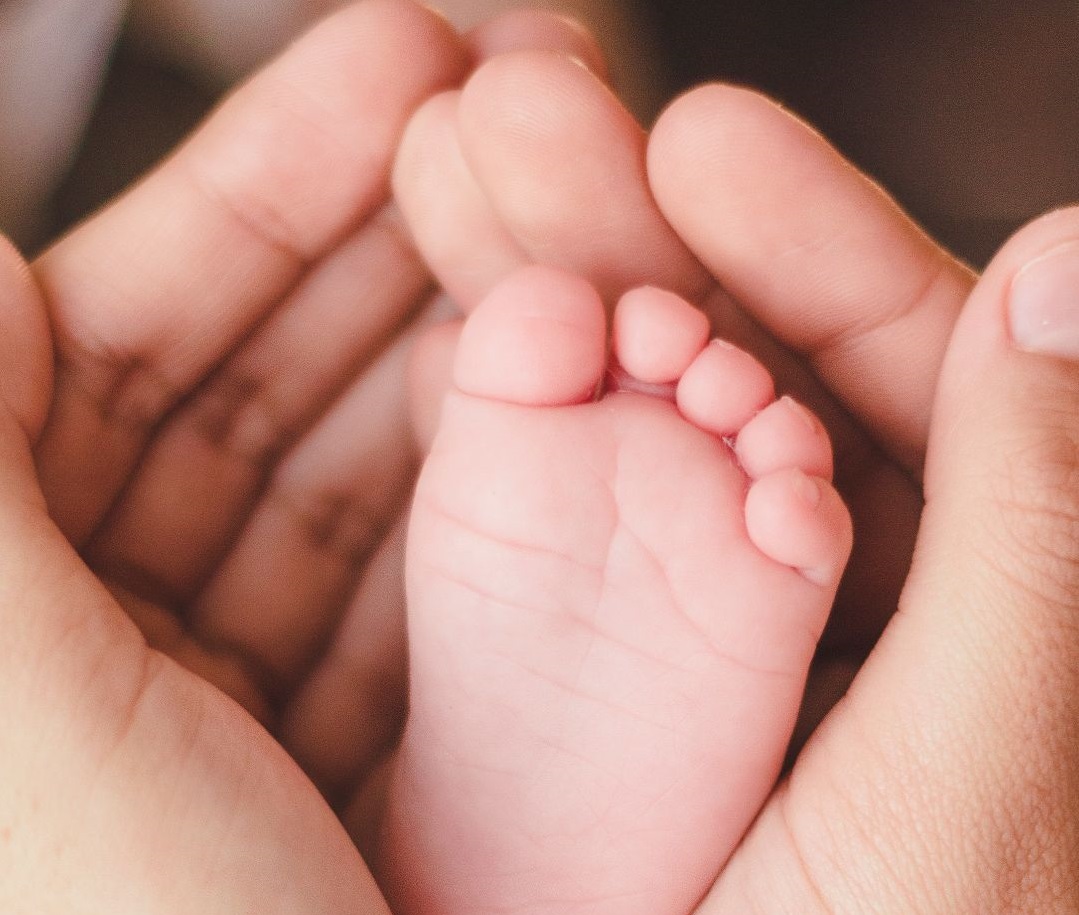
- El permiso, que pasa de 16 a 19 semanas, es igual para ambos progenitores, lo que mejora la conciliación de las familias y la corresponsabilidad en los cuidados, al tiempo que favorece la participación laboral de las mujeres y reduce la brecha de género
- Una de las nuevas semanas, dos para familias monoparentales, se disfrutará durante el primer año del bebé o en los primeros 12 meses de la adopción, guarda o acogimiento familiar
- Las otras dos semanas, cuatro para familias monoparentales, se pueden disfrutar de forma flexible hasta que el menor cumpla 8 años
- Se podrán acoger a estas dos últimas semanas de forma retroactiva las familias cuyos hijos hayan nacido a partir del 2 de agosto de 2024
- Se amplía la duración de la prestación por nacimiento y cuidado del menor de la Seguridad Social para la cobertura de estos nuevos permisos, prestaciones que serán del 100 por 100 de la base de cotización
- Elma Saiz: “España es un ejemplo internacional en políticas de conciliación y corresponsabilidad. Con esta medida, la Seguridad Social responde a una demanda que amplía el apoyo a las familias y permite avanzar en más derechos, igualdad y progreso para seguir construyendo un país mejor “
Share on social networks:
El Consejo de Ministros, en su reunión de hoy, ha aprobado la ampliación en tres semanas del permiso de nacimiento y cuidado de menor, que pasa de 16 semanas a 19, y lo incrementa y duplica de 16 a 32 semanas en el caso de familias monoparentales, donde casi el 80% son mujeres. Se mejora así la protección para progenitores y menores, la corresponsabilidad si hay dos progenitores, y el derecho a la conciliación familiar y laboral.
“España es hoy un ejemplo internacional y un referente en políticas de conciliación corresponsabilidad e igualdad. Con este gran avance, la Seguridad Social responde a una demanda que amplía el apoyo a las familias y, también, permite seguir avanzando en más derechos, igualdad y progreso para seguir construyendo un país mejor, más fuerte y cohesionado”, ha valorado la ministra de Inclusión, Seguridad Social y Migraciones, Elma Saiz.
Las nuevas tres semanas, que serán cubiertas ampliando la duración de la prestación por nacimiento y cuidado del menor de la Seguridad Social, serán gestionadas también por el Instituto Nacional de la Seguridad Social (INSS).
Tras la ampliación, las 19 semanas de la prestación por nacimiento y cuidado del menor se articulan de la siguiente manera:
Se incrementa una semana la prestación de nacimiento y cuidado del menor, hasta un total 17 semanas, de igual duración e intransferibles entre ambos progenitores, y 28 en el supuesto de familias monoparentales, durante los primeros 12 meses del bebé, o, en el caso de adopción, guarda o acogimiento familiar en el primer año, a partir de la resolución judicial o administrativa; en periodos semanales o de forma acumulada.
Como establece la ley, se mantiene la obligatoriedad de que las primeras 6 semanas, sean disfrutadas de forma ininterrumpida a jornada completa e inmediatamente tras el nacimiento o la adopción, acogimiento familiar o guarda. Estos cambios entran en vigor de forma inmediata.
Además, las familias podrán disfrutar también de dos nuevas semanas adicionales de permiso para el cuidado del menor, cuatro en el caso de monoparentales, de forma flexible hasta que el hijo o la hija cumpla los 8 años de edad. A ello se podrán acoger retroactivamente las familias cuyos hijos hayan nacido a partir del 2 de agosto de 2024. Este derecho podrá solicitarse a partir del 1 de enero de 2026.
Con estas medidas se completa la transposición de la Directiva de conciliación adoptada en 2019.
Derecho individual e intransferible
La prestación por nacimiento y cuidado de menor es un derecho individual de la persona trabajadora y no transferible al otro progenitor y sustituyó en 2021 a las antiguas prestaciones de maternidad y paternidad y las equiparó.
España se ha convertido en un referente internacional en políticas de conciliación y corresponsabilidad ligadas a los permisos por nacimiento y cuidado y a su cobertura por la Seguridad Social.
En 2019, se aprobó la progresiva equiparación de los permisos de madres y padres con base en tres principios: igualdad, intransferibilidad y remuneración al 100%. En ese ejercicio, el permiso de paternidad pasó de 5 a 8 semanas; y en 2020, a 12. En 2021 entró en vigor la equiparación total y el permiso pasó a ser de 16 semanas, seis de las cuales deben disfrutarse inmediatamente después del parto o resolución judicial o administrativa en los casos de adopción, guarda o acogimiento. El resto del tiempo puede disponerse en periodos sucesivos antes de que el bebé cumpla un año.
La ampliación y equiparación de este permiso ha permitido que el ejercicio de este derecho se haya generalizado entre los padres varones en términos equivalentes a las madres (en el primer semestre de este año las mujeres han disfrutado de media un permiso de 112 días, mientras que los varones, de 109 días), lo que repercute muy positivamente en la corresponsabilidad: más horas de cuidado infantil, mayor apego entre padres e hijos, así menor discriminación laboral a las mujeres, a la vez que aumenta su participación en el empleo y favorece la reducción de la brecha de género, según la literatura académica.
Cuantía y solicitud
La cuantía de estas prestaciones es equivalente al 100 por 100 de la base reguladora y se abona directamente por el INSS durante las semanas que dura el permiso.
El Instituto Nacional de la Seguridad Social ofrece la posibilidad de solicitar la prestación por nacimiento de forma telemática, a través del portal Tu Seguridad Social (https://sede.seg-social.gob.es/) y en https://prestaciones.seg-social.es/servicio/prestacion-nacimiento-adopcion-cuidado-menor.html?categoria=nacimiento-adopcion-embarazo
También se pueden solicitar telemáticamente los periodos sucesivos de descanso por nacimiento o cuidado del menor, si los progenitores optan por dividir el periodo.